Vanishing Melodies of Slovakia
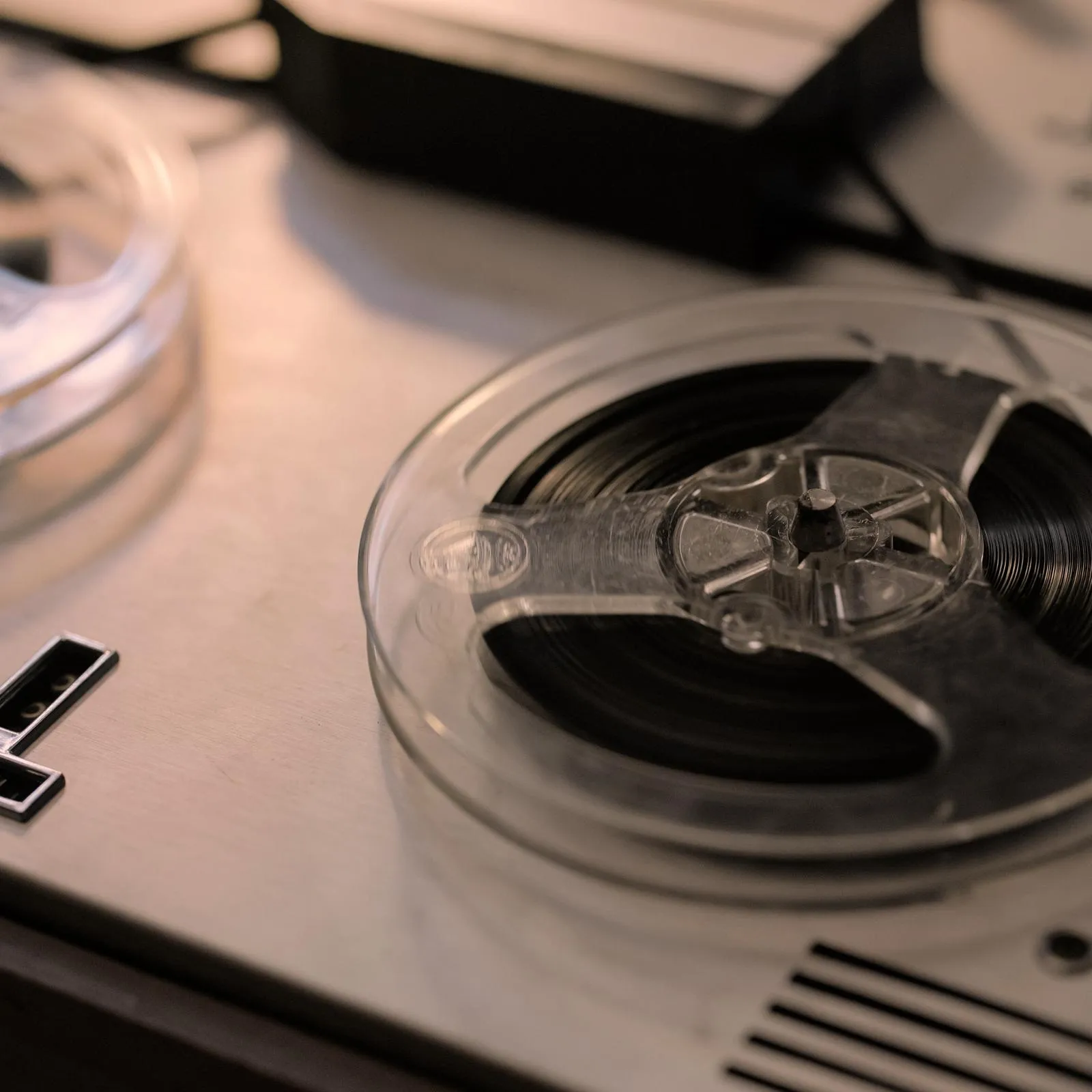
Some songs existed in only one place on earth — the memory of a single person. In the mid-1980s I went around the villages near Piešťany with a reel-to-reel recorder and taped them while there was still time. It was a bit of a mad idea, but I now know that for some of those recordings, what we captured is the only record of the song that exists at all. Back then I had no idea it would one day lead me to a radio orchestra.
Some songs existed in only one place on earth — the memory of a single person. A funeral came, and the songs were gone for good.
The mid-1980s, somewhere near Piešťany. In an old woman’s kitchen, a tape recorder is running. She sings a song no one ever wrote down — and after her, perhaps no one ever will.
How did I end up there? Not exactly according to plan.
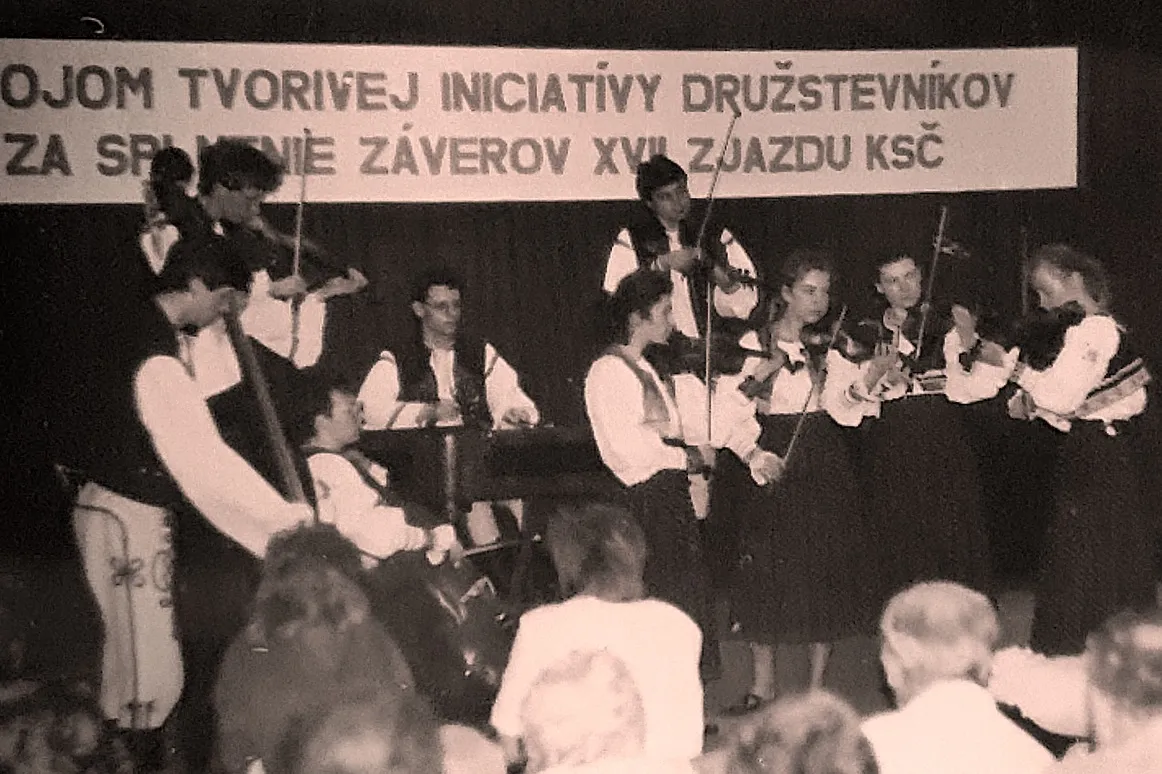
It started innocently. In Piešťany, a violin teacher founded a folklore ensemble. The children’s group grew, over time, into Striebornica — an ensemble of adult dancers and musicians that is still going today.
No one around could play the cimbalom. I offered to learn. From scratch. Within a few weeks I was playing well enough to join.
And the fieldwork came of its own accord. When you play folk music, sooner or later you reach the people the music came from. We went through the villages around Piešťany, visited older singers, and recorded their songs. At the time I wasn’t thinking about an archive, or about saving a tradition. We did it because it was part of the ensemble’s work. We recorded everything worth remembering.
Only much later did it turn out that those tapes would have a second life.
The collected and arranged material became, years afterward, the basis for compositions and arrangements for OĽuN — the Folk Instruments Orchestra of Slovak Radio. A highly professional ensemble.
That’s where I met Peter Jantoščiak, OĽuN’s dramaturg. He was uncompromising — meticulous about folkloric authenticity, and even more so about compositional craft. He removed everything that didn’t belong. And he insisted on everything that did. It wasn’t always easy to hear, but it was exactly what I needed then. That discipline — I’ve drawn on it many times since.
When I look back, as if into a mirror, I see no grand plan. I see a person who learned the cimbalom because someone had to play it. Who then went around the villages with a tape recorder because everyone around him was doing it. And only much later did it turn out to have meant something.
Because a creative life rarely moves in a straight line.
In March 2025 — more than twenty years after those pieces were written — Slovak Radio invited me to talk about the work. But in the end, this isn’t about the conversation. It’s about the songs. The ones that once hung on a single memory. The voices of people that once sounded in the kitchens of small houses somewhere near Piešťany — and that a professional orchestra plays today.
Get a free piano piece.
Subscribe and receive a free digital PDF of an original piano composition — plus occasional updates on music, photography, and ideas from the road.